Summer in a box
How to Look After Peonies as Peony Season Starts
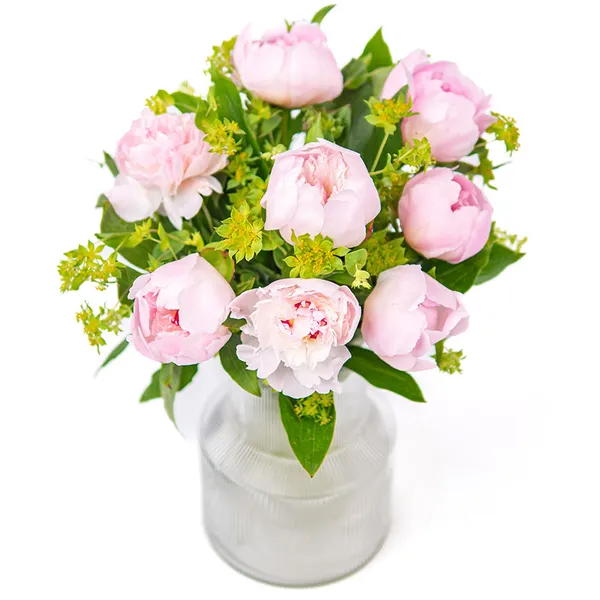
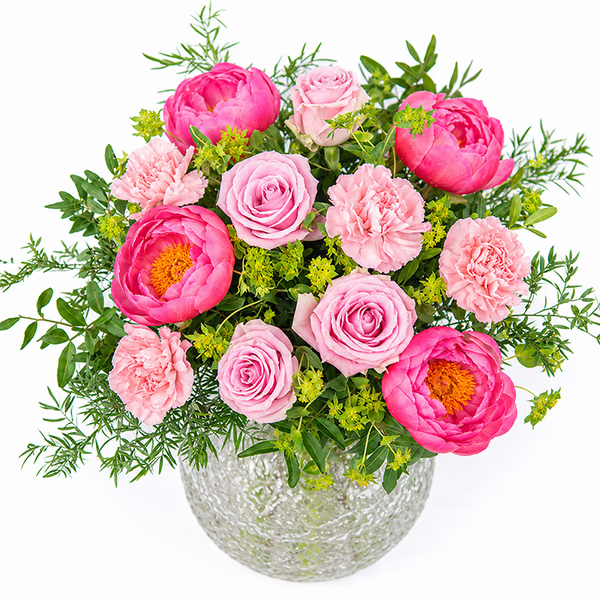
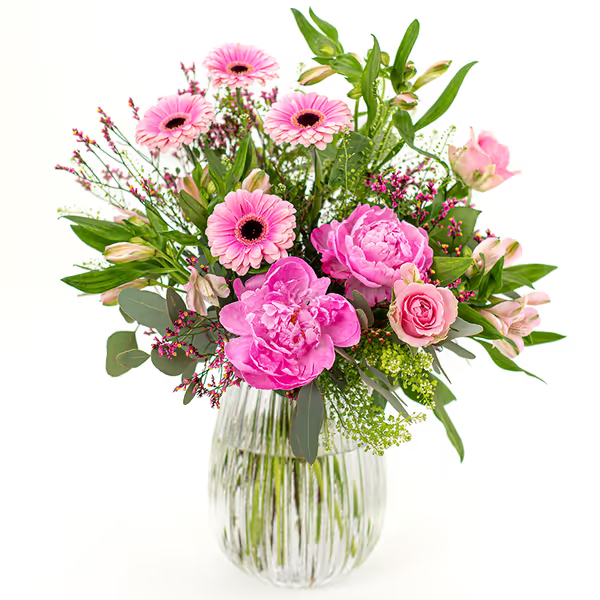
Peonies are one of spring's most beloved flowers. Renowned for their lush blooms and delightful fragrance, we know that people look forward to this time of year for all their peony flower delivery options.
When is peony season? Well, the season is short, with May and June the best time to buy blooms, but there are ways to make sure your peony bouquet withstands the months.
Our floral experts at Euroflorist, revealed how to keep your peonies blooming, whether you’re adding to a tablescaping scene or simply brightening up your kitchen counter

Peonies: The Luxurious and Timeless Bloom
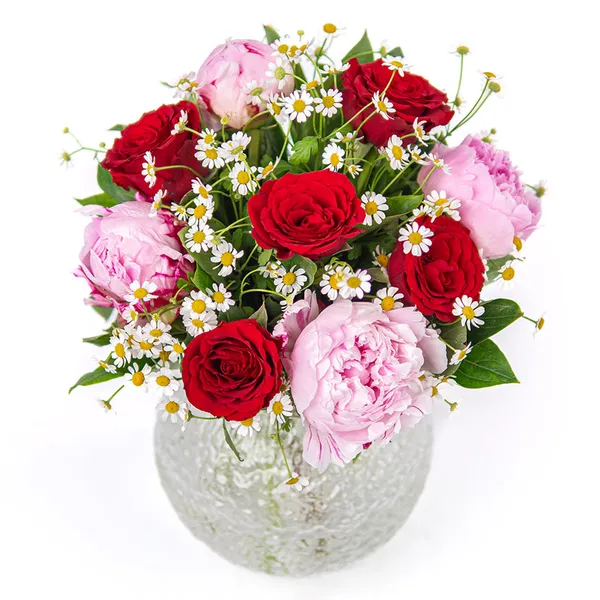
Peonies are beloved for their lush, ruffled petals and captivating fragrance, making them one of the most sought-after flowers for weddings, bouquets, and gardens. They symbolize romance, prosperity, and good fortune, often associated with love and happy marriages. Native to Asia, Europe, and North America, peonies come in a variety of colors, including soft pinks, whites, reds, and even coral and yellow shades. Their breathtaking beauty and full-bodied blooms make them a favorite among florists and flower enthusiasts alike.

COMMON NAME
Peony

BOTANICAL NAME
Paeonia spp.

ORIGIN
Asia, Europe, and North America

PEOPLE ALSO CALL IT
King of Flowers (in China)

FLOWERING TIME
Spring to early summer (April to June)

ASPECT
Full sun to partial shade

SYMBOLISM
Romance, prosperity, good fortune, honour
How to get peonies to open early
When you first get a peony bouquet, it may still be in bud form. But there is a really easy way to encourage your peonies to open up faster and maximise their time in full bloom.
1. Get some warm water
Simply fill a vase with lukewarm water. Flip the peony upside down so the petals are facing the floor, and gently dunk your flower into the vase of warm water.
2. Dunk your petals in water
Feel free to give them a little twist in the water, to ensure the petals fully absorb the water. Make sure you do this one by one to prevent any damage to the petals.
3. Put them back in a vase of cool water
After this, gently remove your flower from the vase and give them a little shake to get rid of any heavy water droplets.
And voila! Simply put them back into your vase of cool, fresh water, and in a couple of hours, they should be starting to open up.
How long do peonies last?
Peonies can last around 5-10 days in a vase, but with the proper care from using the tips below, they can last you well over a week.

How to look after peonies after they’ve bloomed
Change your bouquet’s water regularly
When it comes to keeping your peonies looking beautiful. Fresh water is crucial for keeping them happy and healthy.
You should change water regularly, at least every 2-3 days but you can even refresh their water every day. This will prevent the water from becoming stagnant and won’t allow bacteria to grow, which would lead to wilting and premature drooping.
After you’ve warmed up your petals, keep your vase two-thirds full of cooler water instead. When it comes to longevity, cooled down water will help slow their process back down, making them last.
Trim your peonies’ stems
Whenever you change the water, you should also trim your stems to keep your flowers feeling fresh.
Always cut peony stems at a 45-degree angle under running water. This is crucial because it helps prevent air bubbles forming in the stems and blocking water uptake.
A clean, angled cut creates more space for better hydration and keeps the stems from lying flat at the bottom of the vase, so they can take in water efficiently.
Regular re-trimming will help revive any flowers that are starting to droop, and can significantly extend the lifespan of your bouquet.
Plus, be sure you remove any leaves that fall below the waterline. Wet leaves will rot quicker and lead to cloudy water, impacting the lifespan of your flowers.
Keep peonies cool
Similar to the best water temperature, peonies prefer to be in cooler rooms.
While you may want to display them proudly on your windowsill, placing them in direct sunlight or near warm spots will lead to premature wilting and fading.
The cooler the space, the longer the bloom, which in turn helps them last significantly longer than they would in a warmer environment. Display peonies in a cool spot, with indirect sunlight and consistent airflow.
Add support to your bouquet
Once fully bloomed, peonies can be quite top-heavy, which poses a challenge for their structure.
To combat this, use a tall vase that provides adequate support for the stems to stop them falling. Alternatively, you can gently tie the bunch with floral tape to help maintain their shape and prevent drooping, ensuring that the stunning appearance of your peonies is preserved.
Symbolism & Meaning
Peonies are deeply symbolic flowers, often representing romance, prosperity, and honor. They are a traditional symbol of a happy marriage, which is why they are frequently used in bridal bouquets and wedding arrangements. In Chinese culture, peonies are known as the "King of Flowers" and are associated with wealth and good fortune. Their luxurious appearance and lush petals make them a timeless representation of elegance and beauty.
Types of Peonies
Peonies come in three main types:
- Herbaceous Peonies – The most common garden variety, these die back in winter and return each spring with large, vibrant blooms.
- Tree Peonies – Woody shrubs with large, long-lasting flowers that can grow up to 7 feet tall, offering a more structured, ornamental presence.
- Intersectional (Itoh) Peonies – A hybrid between herbaceous and tree peonies, these plants combine the best of both types, with strong stems and abundant blooms.
With their breathtaking beauty, rich symbolism, and variety of forms, peonies remain one of the most cherished flowers in gardens and floral arrangements.